Headless or traditional ecommerce: which should you choose?
Headless or traditional ecommerce: a comparison of performance, management and integrations to help choose an architecture aligned with business growth.
A growing catalog, frequent promotions, B2B and B2C sales, multiple markets, product data spread across an ERP and CRM: this is where the choice between headless or traditional ecommerce stops being a technical question and becomes an operational decision. The chosen architecture affects how quickly the team publishes content, the quality of the shopping experience, the ability to integrate internal systems and the cost of every future change.
There is no one-size-fits-all answer. Traditional ecommerce can be the most efficient solution for a straightforward project; a headless approach can deliver a tangible advantage when channels, processes and customer journeys require greater autonomy. The point is not to choose the most sophisticated option, but to design the one that best fits the business model.
What changes between headless and traditional ecommerce
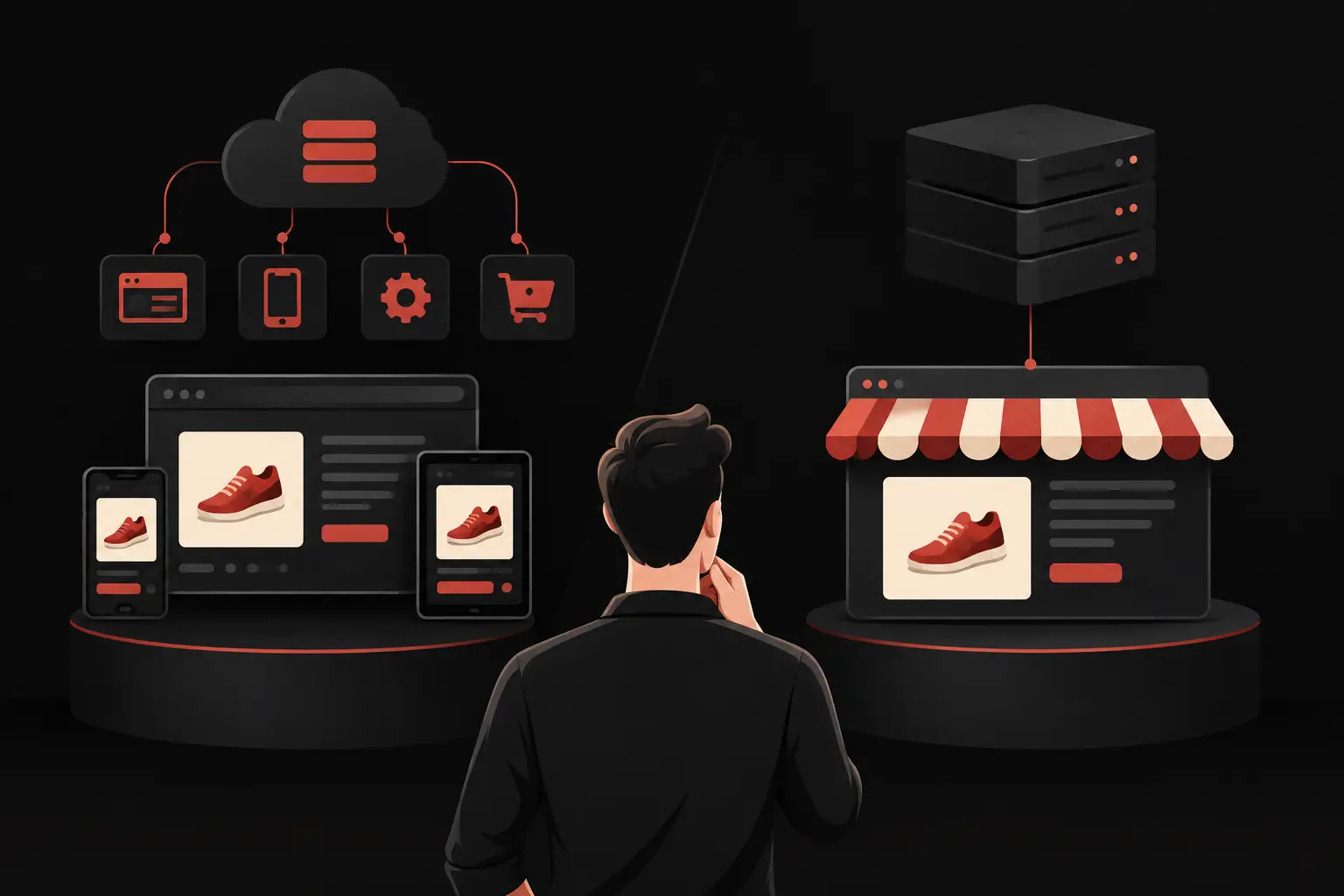
In traditional ecommerce, the part customers see—the frontend—and the part that manages the catalog, cart, payments and orders—the backend—belong to the same system. Design, commercial logic and operations coexist in a single environment. This makes the project more straightforward to manage when the sales experience follows an established pattern.
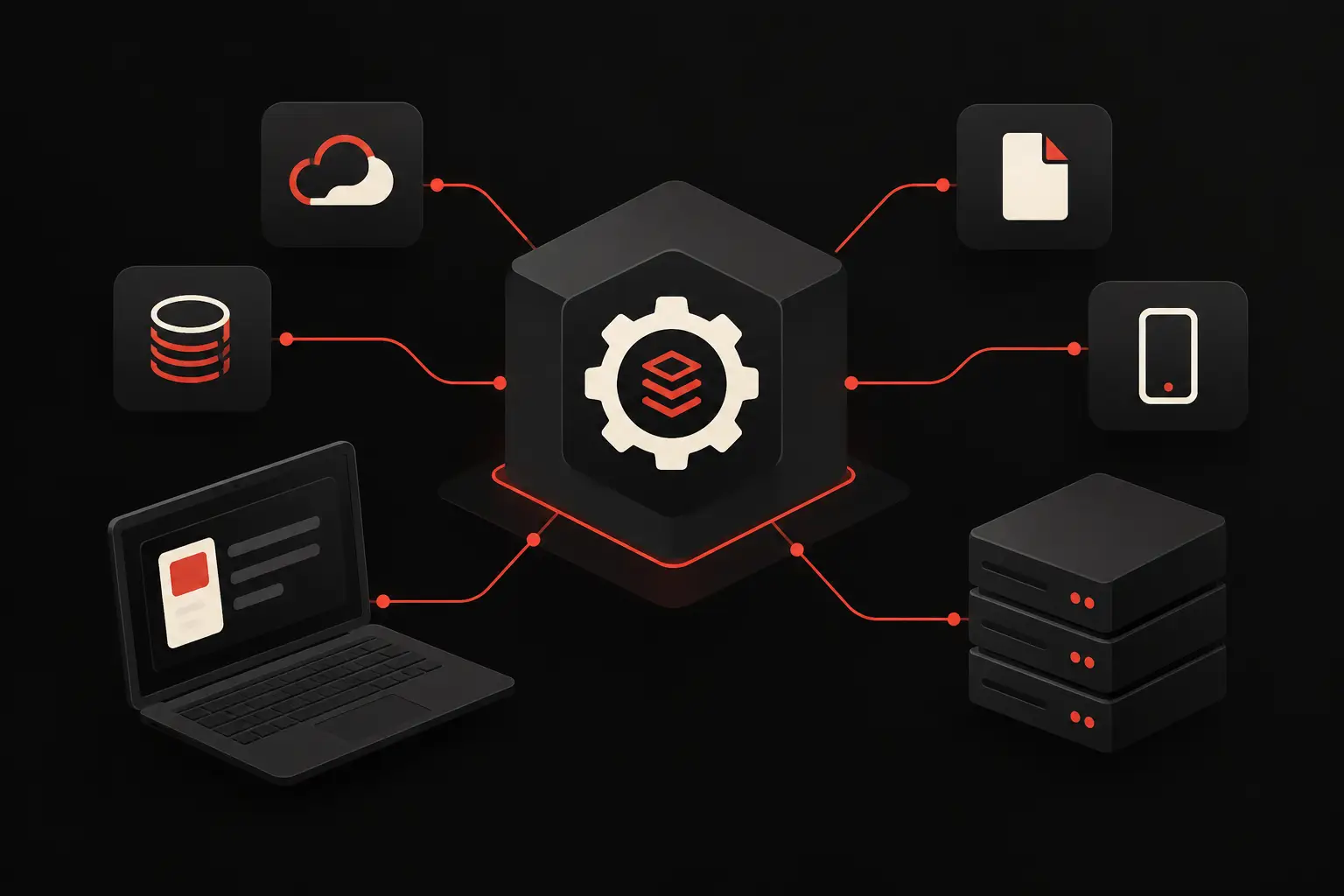
Headless ecommerce, by contrast, separates the frontend and backend. The commerce engine continues to manage products, availability, orders, customers and sales rules, but communicates with one or more interfaces through APIs. The website, a mobile app, a private area for agents, a product configurator or a storefront for different markets can therefore use the same data while offering independently designed experiences.
The difference is not merely structural. In a traditional model, a change to the layout or a feature can affect more of the system as a whole. In a headless model, the user experience can evolve without being tied to the commerce engine’s standard presentation. That freedom, however, requires more rigorous planning: data, APIs, roles, promotional logic and operational responsibilities must be clear from the outset.
When traditional ecommerce is the right choice
A traditional architecture is often suited to businesses with manageable catalogs, one primary sales channel and relatively straightforward commercial processes. If the goal is to create a polished, fast experience that reflects the brand without multiplying touchpoints and integrations, keeping the frontend and backend in the same ecosystem can reduce implementation time and management complexity.
It is also a sensible choice when the in-house team works on products, content and promotions every day and needs simple procedures. The benefit is not only technical: fewer architectural layers mean fewer things to coordinate, more focused training and a clearer view of day-to-day activities.
This does not mean compromising on quality. Traditional ecommerce can be custom-developed, with a distinctive interface, purchase journeys designed around real data and selected integrations with ERPs, CRMs, payment systems or logistics. Simplicity is valuable when it eliminates unnecessary steps, not when it limits growth.
When a headless approach delivers measurable value
Headless becomes interesting when ecommerce is no longer just a website that receives orders, but a central node in a commercial ecosystem. This is the case for businesses selling in multiple markets with localized content, offering customer- or sales-network-specific price lists, needing advanced B2B areas, or wanting to connect the online experience to complex internal processes.
Consider a manufacturing company with thousands of product references and a reseller network. The same product data can power the public website, the private portal, a quote configurator and an app used by sales representatives. With a well-designed architecture, availability, technical specifications, documents and prices are managed from reliable sources instead of being manually copied into multiple tools.
A second scenario concerns design and conversion. When a brand calls for high-impact digital experiences, personalized interactions, dynamic content or different journeys for customer segments, separating the interface from the commerce engine makes it possible to design the frontend around user goals. This does not mean adding effects to impress: it means reducing friction, making complex information easier to understand and guiding customers more precisely to the next step.
Headless can also improve perceived performance because the frontend can be optimized independently. However, speed does not automatically result from separating the components. It depends on code quality, the loading strategy, the infrastructure, image management and the discipline with which integrations are monitored.
Costs to consider beyond the initial estimate
Comparing headless and traditional ecommerce solely on initial development cost can easily lead to a poor decision. You need to assess operating costs over the following years: the time needed to publish a promotion, errors caused by duplicated data, hours spent synchronizing catalogs, the difficulty of launching a new channel or adapting the experience to a new commercial need.
Headless normally requires more upfront analysis and coordination. API contracts, update flows, error handling, permissions, monitoring and responsibilities across systems. need to be defined. If these aspects are not designed well, the promised flexibility turns into dependencies that are difficult to manage.
On the other hand, traditional ecommerce can become costly over time if pushed beyond its natural scope. Adding exceptions, duplicating data or building manual procedures to compensate for structural limitations can slow the team down and compromise service reliability. The useful question is: which activities do we want to make faster, more accurate or fully automated?
The decision starts with processes, not technology
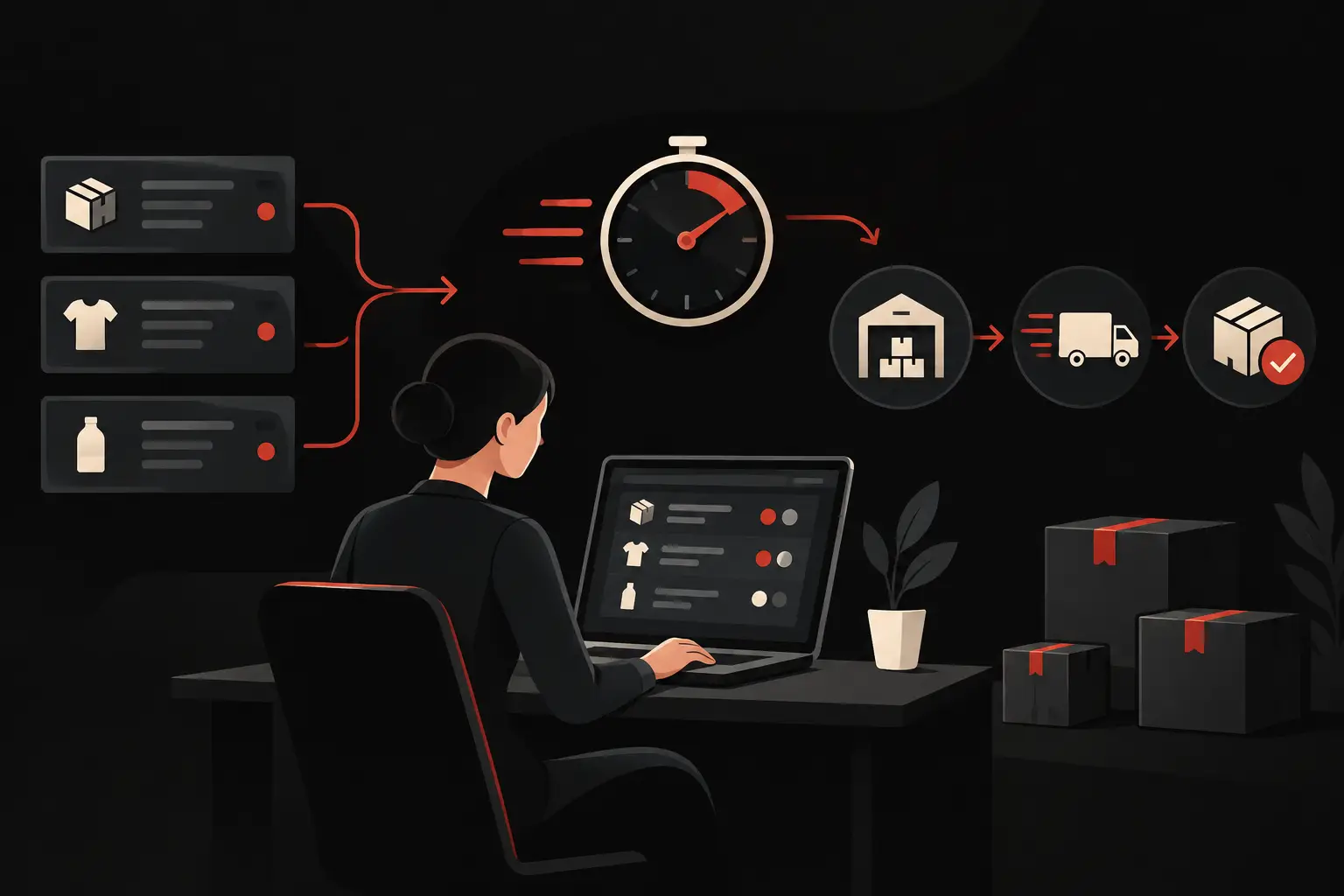
Before defining the architecture, it is useful to map the complete order journey. Where does product data come from? Who updates prices and availability? How are customers, discounts, approvals and returns managed? What information needs to flow back to the ERP, CRM or logistics systems? The answers reveal whether the problem is simply a sales channel or a fragmented operational flow.
It is also worth considering commercial ambitions for the next 24 months. If the plan is simply to improve the current website, a more compact system may be the best choice. If international sales, B2B segmentation, partner portals, configurators or new applications are planned, designing a composable architecture from the outset can avoid premature rebuilds.
A good project does not start with the desire to use a technology, but with concrete indicators: reduced order-processing time, fewer catalog errors, a higher conversion rate, faster publishing, better data quality and the ability to serve new channels without a proportional increase in manual work.
Designing ecommerce that can support growth
The choice between headless and a traditional model should be made with an integrated view of the business, user experience and processes. An excellent interface disconnected from internal operations creates inefficiencies. A perfectly integrated but difficult-to-use system, on the other hand, holds back sales, trust and brand perception.
That is why the project needs a roadmap that translates business needs into verifiable priorities: which data to centralize, which workflows to automate, which touchpoints to improve and which metrics to monitor after launch. Graffico approaches ecommerce as a commercial and operational tool, not an isolated shop window, building architectures and interfaces in proportion to real objectives.
The most effective solution is the one that gives the team more control, the customer less friction and the business more room to grow without chasing the same problems every day.
Ready to bring your ideas to life?
Request a free, no-obligation consultation. Let's talk about your project.
Request a consultation