Smart Home: The fine line between "The Future" and "I spent €500 on a light bulb"
A UX study reveals what users really want from home automation. Spoiler: saving the cat's life is worth more than a colorful chart.
The Smart Home market is worth $130 billion and is set to reach a trillion by 2033. And yet, let's admit it: most home automation apps are a usability nightmare.
A recent study based on diary studies (users recording their interactions for weeks) revealed what really drives people to fill their homes with sensors. It's not the technology itself. It's 5 basic needs. And if you develop software or IoT products, you should print them out and put them up in your office.
1. Optimized Laziness (Convenience)
Marketing talks about "automation," but the average user thinks: "Can I start the coffee maker without getting out from under the covers?". If your app takes 5 taps to turn on a light, I might as well get up. "Cognitive friction" kills adoption. Users want multitasking, not micromanagement.
2. The "Control Freak" Syndrome (Safety)
Knowing your house isn't going up in flames while you're on vacation is priceless. But beware: users don't want to watch cameras 24/7. They only want to be disturbed only if there's a real problem.
3. ROI (Saving Money)
This is where things go wrong (and UX with them). Many people buy smart thermostats to save money. But if the app shows me incomprehensible charts about "kilowatt-hours" without telling me what to do, it's useless. Bad UX: "You've used 15kWh." (So what?) Good UX: "You spent €15 extra because you left the AC on. Click here to set Eco mode."
4. The Importance of Data (The Cat Story)
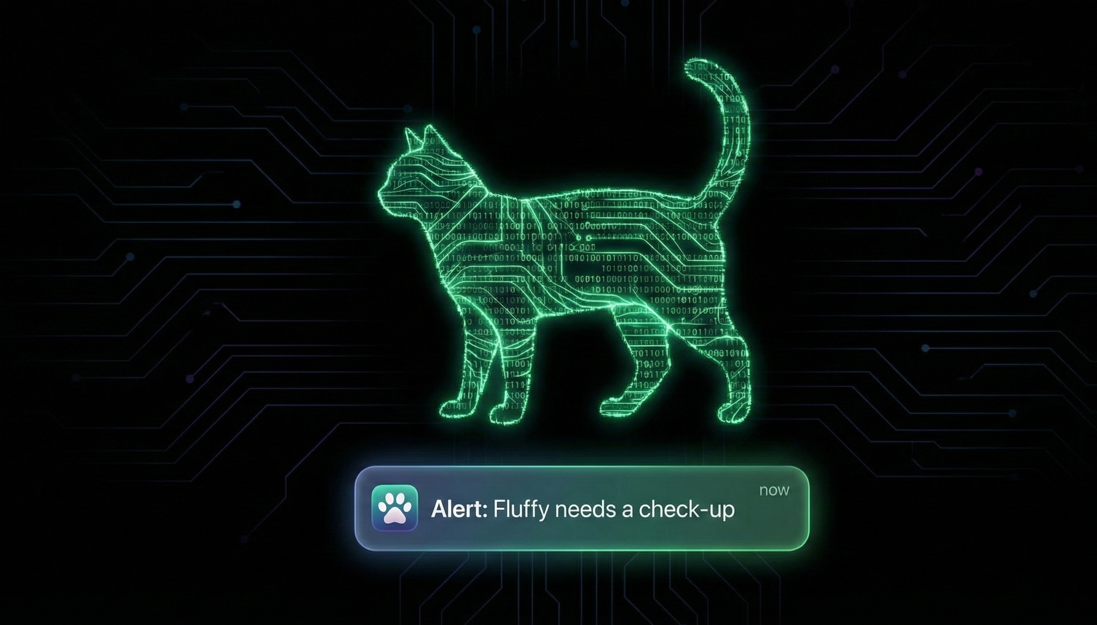
This is the study's gem. One participant discovered their cat was diabetic thanks to... a smart litter box. The device noticed a change in the animal's habits and sent a specific alert. Lesson for Developers: Raw data is useless. Users want insights. Don't tell me "cat weight: -200g." Tell me "Your cat is losing weight too quickly; call the vet."
5. Mood Engineering (Ambiance)
Don't underestimate RGB lights. People want to press a button and switch from "Office" to "Relax." Orchestration wins here: nobody wants to set 10 light bulbs one by one.
Graffico's Take 🔴
Why are we talking about this? Because at Graffico, we hate dashboards full of numbers nobody reads. Designing for Smart Home means understanding that users don't want to "manage devices." They want to manage their lives.
If you're building an IoT product, remember:
"Permissive" Automations:
If I change my mind, the app shouldn't crash.
Context:
Don't suggest turning on the heating if it's 30 degrees outside.
Scenes, not Devices:
Users think "I'm going to bed," not "Turn off light A, close door B, lower thermostat C."
Let's build systems that work for us, not expensive Tamagotchis to look after.
Ready to bring your ideas to life?
Request a free, no-obligation consultation. Let's talk about your project.
Request a consultation